
ktm duke 125 chiptuning with realistic 125 expectations
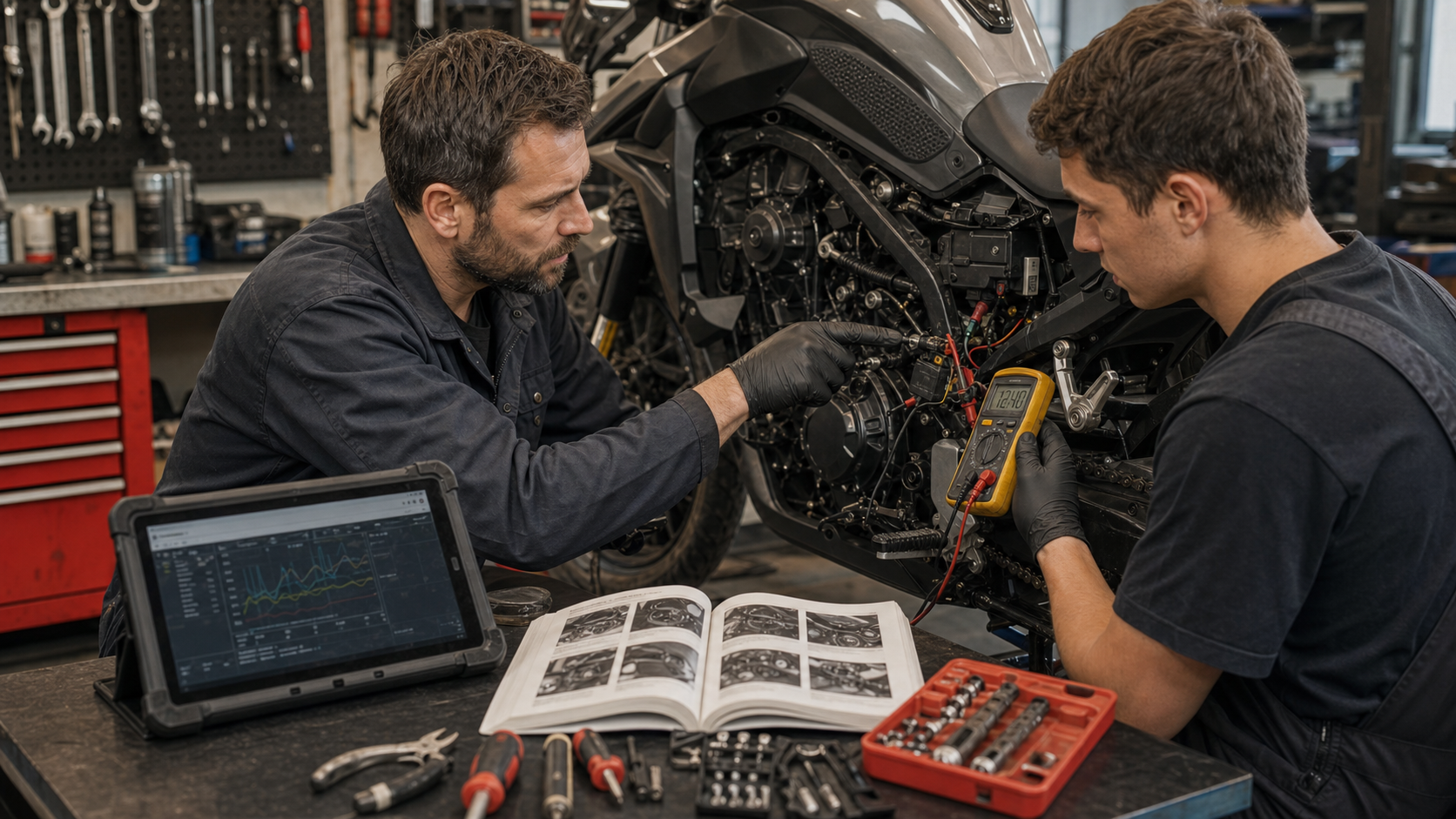
I keep seeing ktm duke 125 chiptuning ads, but I know a 125 has limits. I want smoother response, not fantasy horsepower.
I found this related page while comparing notes: ktm duke 125 chiptuning. I wanted a practical thread before guessing.
Before ktm duke 125 chiptuning, should I check chain, sprockets, tire pressure, brake drag, air filter, plug, valve clearance, fault codes, compression, exhaust legality and GPS speed?


Discussion
25 repliesktm duke 125 chiptuning needs context first. Otherwise the answers get weirdly confident and mostly useless.
For ktm duke 125 chiptuning, post year, model, mileage, current setup, codes and what has already been checked.
Chiptuning only makes sense after a healthy baseline
Thomas Spagnoli here. ktm duke 125 chiptuning should start with a baseline and a bit of humility. The expensive mistake is changing parts before you know what the machine is actually doing.
For ktm duke 125 chiptuning, check chain, sprockets, tire pressure, brake drag, air filter, plug, valve clearance, fault codes, compression, exhaust legality and GPS speed.
A realistic ktm duke 125 chiptuning discussion should include legal limits, warranty risk and measured before-and-after data. A worn bike will give fake tuning results.
Workshop order
The free motorcycle mechanics course on this platform teaches this diagnostic order before buying tuning parts or tools.
The bike feels flat at high rpm, but I do not know when valves were checked.
That points me toward valve clearance, air filter, chain/sprockets, fault codes and GPS speed before buying parts.
ktm duke 125 chiptuning should have before-and-after notes or at least a repeatable test.
ktm duke 125 chiptuning needs the same diagnostic order every time: confirm, measure, inspect, one change, retest.
A 125 gains the most power in adverts and comment sections.
I can add photos, codes and measurements after the first check.
Good. ktm duke 125 chiptuning with actual evidence is much easier to help with.
Check voltage, wiring, service condition and mechanical drag before assuming the expensive answer.
For ktm duke 125 chiptuning, include whether it happens hot, cold, under load or after clearing/resetting something.
Service history is vague, so I am treating the baseline as unknown.
Then ktm duke 125 chiptuning starts with a known-good baseline rather than guesswork.
Known-good baseline is boring, but guessing costs more.
Exactly why I asked before ordering anything.
With ktm duke 125 chiptuning, save codes, readings or photos before clearing or changing anything.
ktm duke 125 chiptuning should stay legal, safe and reversible if it is a road vehicle.
Use measured results if power, speed or fault diagnosis is involved.
I will keep the test boring and write it all down.
Boring tests are the ones that actually solve things.
The free course here explains this same process: measure first, buy parts last.
ktm duke 125 chiptuning should finish with the exact fix or measured result for the next person.
I will update after I get the first data.
Great. The final update is where the value is.