
beta alp 200 tuning: more usable pull without ruining the trail bike
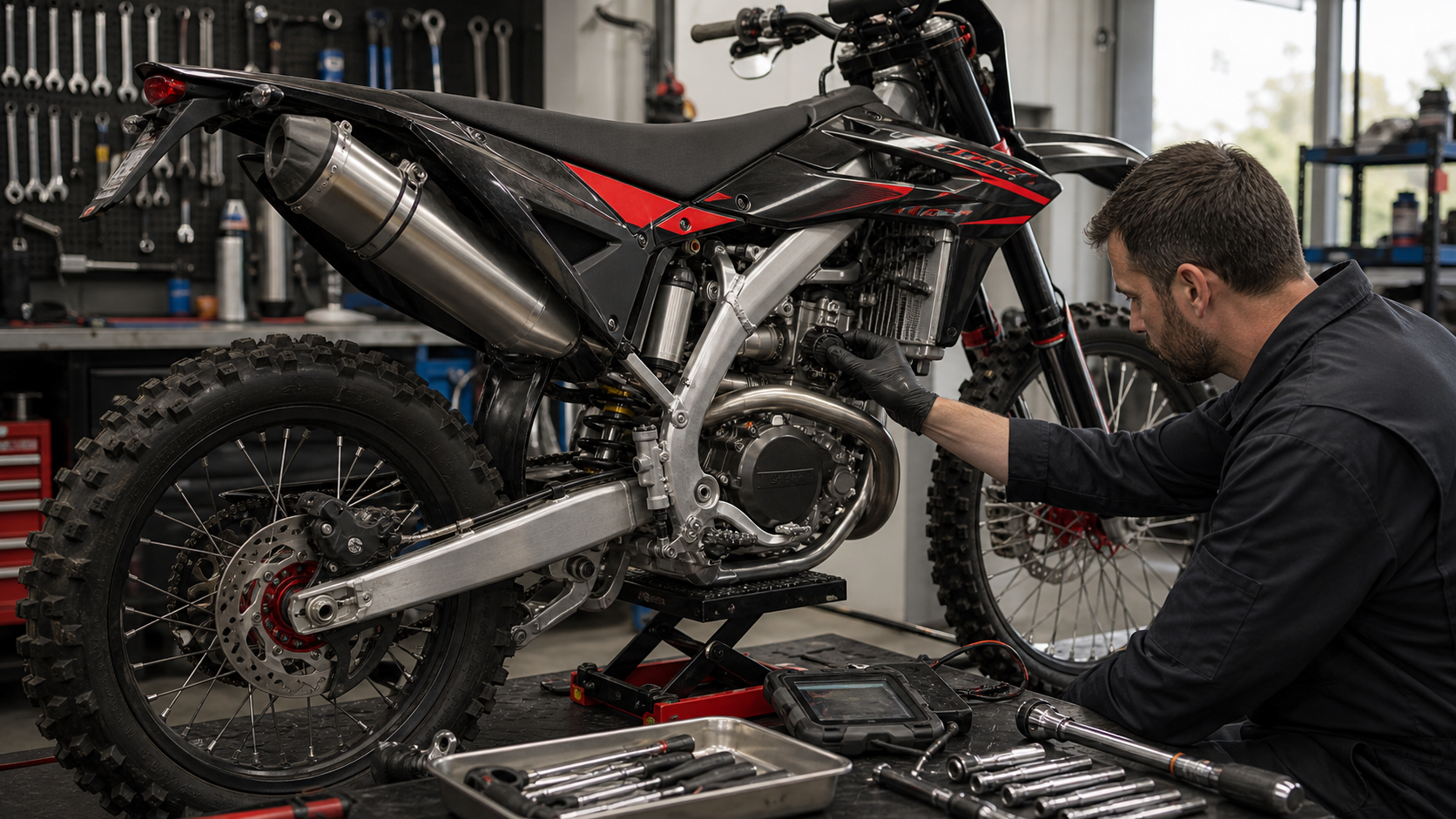
I am opening a beta alp 200 tuning thread because the Alp is a funny little bike: friendly, light, easy to ride, but not exactly eager when the trail gets steep or when road sections appear between lanes.
There is already a shorter related discussion here: beta alp 200 tuning. I wanted a longer thread about what actually helps: gearing, intake, exhaust, carb or injection setup depending on year, weight, tires and general service condition.
I am not trying to turn it into an enduro race bike. I want better low-speed pull, cleaner throttle response and less feeling like the bike is politely asking the hill for permission.


Discussion
37 repliesI have a carb Alp and the biggest improvement was cleaning the pilot jet properly. I thought I needed beta alp 200 tuning parts, but the bike mostly needed someone to stop ignoring maintenance.
Front sprocket change made mine feel much better in slow lanes. It did not create power, but it put the power where I use it. Cheap and very noticeable.
Before changing jets, check for intake leaks. I chased a lean stumble for weeks and it was a cracked rubber boot. My wallet still gives me looks.
Start by respecting what the Alp 200 is
Thomas Spagnoli here. The first rule of beta alp 200 tuning is not to tune away the reason people like the bike. The Alp 200 is a mild, friendly trail machine. It rewards balance, traction and clean low-speed control more than peak horsepower. If you chase noise and top-end power, you can make it worse at the exact work it was built to do.
Before buying parts, create a baseline: fresh air filter, correct spark plug, clean fuel system, healthy battery if applicable, adjusted clutch, correct chain slack, good tires, checked wheel bearings and no dragging brakes. A tired service baseline can feel like a tuning problem. Fix the boring things first.
What usually helps
For carb models, do not start by drilling everything and guessing jets. Check intake leaks, float height, pilot circuit cleanliness, plug color and how the bike responds off idle. For injection models, avoid black-box miracles unless you understand what they change. If a module richens blindly, you can trade one problem for another.
My practical beta alp 200 tuning path
Step one: service baseline. Step two: gearing for your terrain. Step three: tire choice and pressure. Step four: clean fueling setup. Step five: legal exhaust condition. Step six: clutch and suspension setup. Only after that would I consider anything more invasive. The free course on the platform is useful because it teaches this kind of diagnostic order: inspect, measure, change one thing, test, then decide.
I want better hill starts, not speed. Would one tooth down at the front make road riding annoying?
It depends how much road you do. Mine got busier at cruising speed, but for lanes and farm tracks it was worth it. Earplugs and patience became part of the kit.
Tires changed my bike more than exhaust. A soft trail tire made the Alp feel like it gained torque because it stopped spinning away the little torque it had.
For beta alp 200 tuning, do not forget brakes dragging. My rear caliper was sticky and the bike felt lazy. Fixed that and it woke up enough for free.
Air filter service matters on these. A dirty filter makes small engines feel very tired. Also do not over-oil it until the bike has to breathe through soup.
Clutch cable routing and free play are underrated. Technical riding is miserable if the clutch bite point wanders around like it has plans of its own.
Correct. Low-speed control is a system: gearing, clutch feel, throttle response, idle stability, traction and rider balance. Do not isolate the engine from the rest of the bike.
I lowered tire pressure off-road and the bike felt much stronger. Obviously not silly-low on the road, but on trails it helped a lot.
Has anyone tried a louder exhaust and actually liked it after a month? I like quiet bikes because I enjoy not being hated by every walker in the forest.
I tried one. More noise, not much more useful pull. Went back to the standard pipe after realizing I had mostly tuned my own patience.
Beta alp 200 tuning on carb models should include plug reading and small changes. Big jet jumps make forum drama, not necessarily good running.
Small changes and notes are the right approach. Record the jet, clip position, temperature, altitude, symptom and result. Otherwise you are just creating a mystery with tools.
Road legality matters too. If the bike is used between trails, a non-legal exhaust or intake mess can become more trouble than the power is worth.
Mine is injection and I am skeptical of plug-in boxes. I would love smoother low rpm, but not if it drinks fuel and fouls plugs.
For injection bikes, confirm the basics first: sensor connectors, throttle body cleanliness, idle control, battery voltage and exhaust leaks. Do not assume a module is the first step.
Chain slack made a difference on mine. It was too tight and the rear suspension felt harsh. Once set properly, traction improved.
Changing gearing made first gear useful but made road speed less relaxed. It is a trade. The bike is happier when you admit what kind of riding you actually do.
I use mine for weekend lanes and short road hops. I think gearing plus tires is the answer for me, not a pipe.
Fresh plug, clean filter, valve clearance checked, brake drag fixed. That was my beta alp 200 tuning package and it cost less than a shiny can.
Has anyone checked suspension sag? Mine felt nervous until I set preload for my weight. Not faster, just less weird.
Quiet bikes are underrated. You can ride longer, annoy fewer people and still hear if the engine starts doing expensive noises.
Use torque specs on sprocket bolts. Small bikes still deserve real workshop habits. Do not ask how I learned this.
Weak spark plug cap caused rough running on mine. It felt like carb trouble until it rained and got worse. Electrical faults enjoy costumes.
That is a good example. A running issue can be fuel, ignition, air leak, compression, exhaust restriction or load from dragging parts. beta alp 200 tuning should begin with diagnosis, not a shopping cart.
This thread has talked me out of buying random parts tonight. I will service it, check brakes and chain, then decide on gearing after a proper ride.
That is the least exciting plan and probably the best one. Annoying how often that happens.
Exactly. Make the bike healthy, then tune for your terrain. The Alp rewards patient setup more than dramatic modifications.
After reading all this, beta alp 200 tuning sounds less like buying power and more like matching the bike to the trails I actually ride. That is probably the answer I did not want but needed.
Exactly. My beta alp 200 tuning was gearing, tires and service. It felt boring until the first steep lane, then it felt like genius on a budget.
That is the correct mindset. beta alp 200 tuning should improve control first: traction, gearing, clutch feel, clean fueling and predictable response. Peak numbers matter much less on this type of motorcycle.
If anyone changes carb settings, keep notes. beta alp 200 tuning gets confusing fast when you change pilot jet, needle and air screw all in one afternoon.
My best beta alp 200 tuning result was fixing a dragging rear brake. Free horsepower, or at least free not-wasting-horsepower.
I am going to do the baseline checks first, then maybe gearing. Nice to have a beta alp 200 tuning plan that does not start with noise.