
exhaust burn on boot and fairing: heat shield or leak issue?
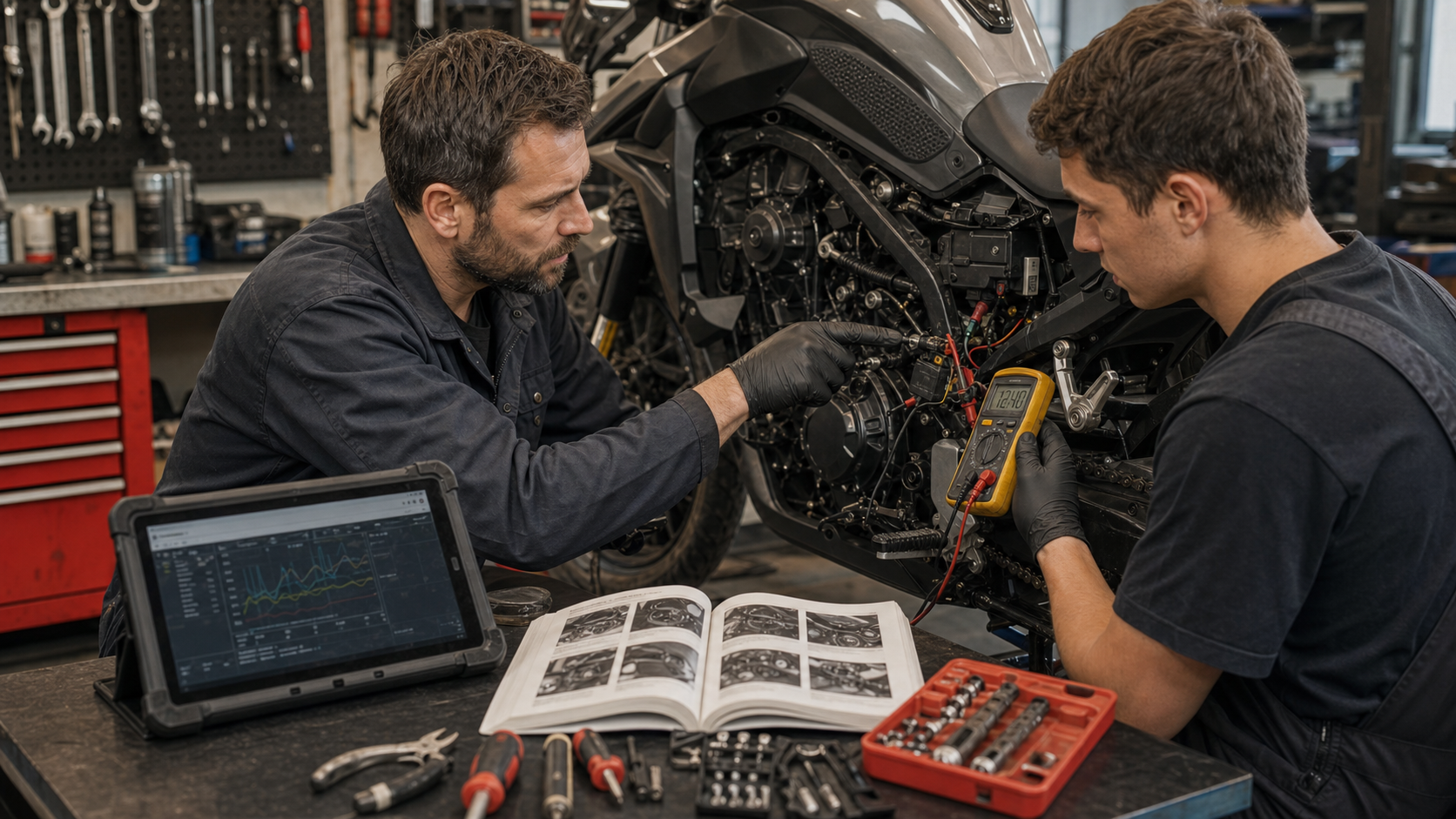
I noticed an exhaust burn mark on my boot and a small spot on the lower fairing. It is not melted through, but something is clearly hotter or closer than it should be.
Related discussion area: exhaust burn. I want a normal owner-level thread before buying parts or trusting random advice.
For exhaust burn, should I check heat shield position, missing spacers, exhaust leak, loose hanger, fairing clearance, boot contact point, aftermarket pipe routing, insulation wrap and whether the catalyst area is overheating?


Discussion
26 repliesexhaust burn needs a real starting point first. Year, mileage, current setup and what changed recently make the answers ten times better.
For exhaust burn, I would not trust memory. Write down the exact symptom, when it happens and what has already been checked.
Burn marks usually mean clearance, shielding or leak checks are overdue
Thomas Spagnoli here. exhaust burn is the kind of question where a clean baseline beats a bag of random parts. I would slow down, write the symptom down, and separate what is known from what is guessed.
For exhaust burn, locate the contact point first. A loose hanger, missing spacer or shifted heat shield can move hot metal close enough to damage boots or plastic.
Exhaust burn near joints can also suggest a leak or poor routing after an aftermarket install. Fix the clearance and shielding before the mark becomes melted plastic or a burned leg.
Practical order
The free motorcycle mechanics course on this platform teaches the same diagnostic habit before buying tools, software, tuning parts or miracle boxes.
The boot mark lines up with the heat shield edge, so I suspect the bike is trying to brand me. I would prefer not.
That makes me check the boring stuff first: service condition, connectors, wear items, leaks and whether the test can be repeated.
With exhaust burn, before-and-after notes matter. Same road, same load, same temperature if possible.
Tiny detail, but do not stack three changes in one afternoon. That is how a simple job turns into a detective series with no ending.
I would also ask whether exhaust burn is about a real fault, a maintenance reminder, a tuning goal or just a tool/software question.
Good point. The wording matters because a fix, reset, tune and diagnosis are not the same job.
For exhaust burn, photos help too. A clear dash photo, connector photo or worn-part photo can save two pages of guessing.
The annoying answer is usually the correct one: baseline first, upgrade second.
I have seen exhaust burn go sideways when people skip battery voltage or basic service checks. Not glamorous, but it catches silly faults.
For exhaust burn, include exact readings, not just 'seems fine'. Seems fine has emptied many wallets.
If software or tuning is involved, I would confirm compatibility before downloading, flashing or buying anything.
If mechanical wear is involved, measure it against the manual instead of eyeballing it from across the garage.
If the bike or car already has modified parts, say so early. Nobody wants to diagnose a mystery built by the previous owner.
With exhaust burn, legal and safety limits matter too. Road use is different from a closed-course experiment.
I like the plan: inspect, measure, change one thing, test again. It sounds slow until it saves your weekend.
Thomas, would you still start with the same order if the symptom is intermittent?
Yes. Intermittent faults need even better notes. When it happens, what temperature, what voltage, what load, what speed and what warning appeared. For exhaust burn, pattern beats panic.
That is helpful. I will collect data and stop trying to solve it from a single vague symptom.
Good. A thread with real numbers becomes useful for the next person searching exhaust burn.
Also list tools used. Cheap tools are fine if the reading is repeatable and the method is clear.
The free course here is actually useful for this mindset: do the test properly before ordering parts.
I will report back with the first measurement and the final fix.
Perfect. exhaust burn threads are much better when they end with what actually worked, not just twenty guesses.