
bmw c1 tuning: realistic upgrades for an unusual scooter
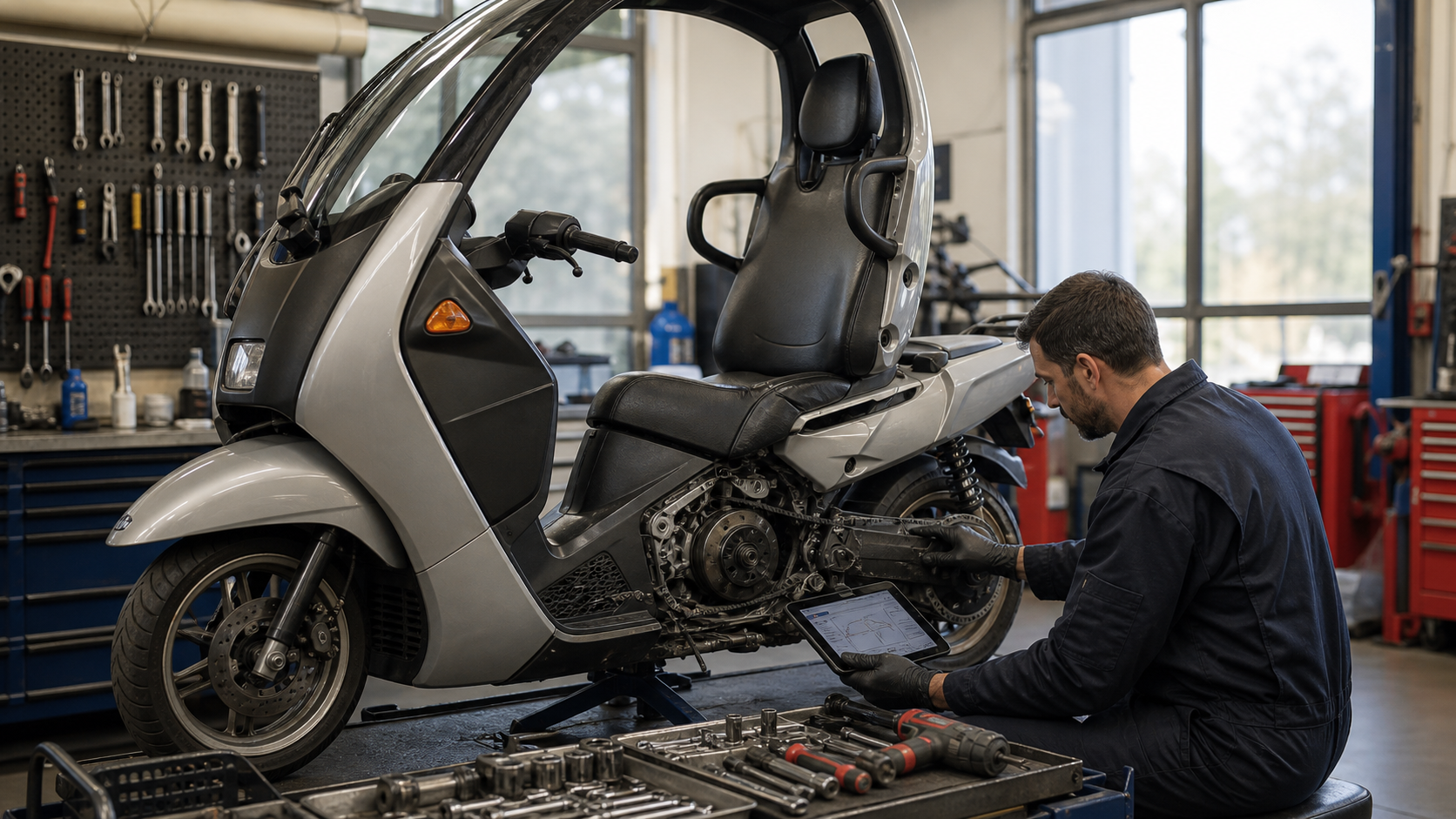
I am opening this bmw c1 tuning thread because the C1 is such a strange machine that normal scooter advice does not always fit. It has the roof, the weight, the seat belts, the city-commuter personality, and a drivetrain that needs to be healthy before anyone starts talking about faster acceleration.
My goal with bmw c1 tuning is not to make it a sports bike with a roof. I want better launch from traffic lights, smoother pull in the 30-60 km/h range, reliable hot starting, less vibration, and no drama with belt life, clutch heat, cooling, brakes, or road legality. If the best tuning is a correct variator service and fresh rollers, I am happy to be boring.
There is an older related discussion here: bmw c1 tuning. I wanted a longer thread because most C1 conversations jump straight to parts, while I would rather understand what should be measured first.


Discussion
35 repliesI own a C1 200 and the biggest improvement came from servicing the transmission, not from tuning parts. The belt was old, rollers were worn, and the clutch bell had heat marks. After cleaning and fitting correct service parts, my bmw c1 tuning plan got much shorter and much cheaper.
Roller weight is where people go too far. I tried a setup that made the engine rev like it was late for a meeting, but the scooter was not actually nicer in traffic. It sounded faster and made me more tired.
For city use, smooth launch matters more than top speed. The C1 is already a weird enough object at traffic lights; it does not need to sound like a blender full of coins.
Question for Thomas: would you replace the belt first even if it looks okay, or only measure it? I do not know the age of mine.
What makes the BMW C1 different
Thomas Spagnoli here. The BMW C1 is not a normal lightweight scooter, so bmw c1 tuning needs a careful mindset. The roof structure, seating position, weight distribution and commuter use mean that refinement matters more than drama. A loud exhaust or aggressive variator setup can make the C1 feel worse in real life, even if it feels exciting for the first three minutes.
On this model, the first job is to separate tuning from repair. Many riders ask about bmw c1 tuning when the real issue is a worn belt, flat-spotted rollers, tired clutch shoes, dragging brake, weak battery, dirty air filter, old spark plug, poor valve clearance, cooling problem, or a fuel system that needs attention. The C1 has enough weight that a small drivetrain fault feels like a big performance problem.
1. Baseline checks before spending money
Start with the boring list: belt width and age, variator face condition, roller or slider wear, clutch bell heat marks, clutch shoe glazing, final drive oil, tire pressure, brake drag, wheel bearings, battery rest voltage, cranking voltage, charging voltage, air filter, spark plug, coolant level, radiator fan operation, thermostat behavior, fuel quality and stored fault codes if available. That list is the foundation of bmw c1 tuning.
If the C1 launches badly, do not immediately blame power. A glazed clutch, tired belt, dirty variator, incorrect roller weight, weak engine mounts or dragging rear brake can all make the scooter feel lazy. If hot starting is poor, check valve clearance, battery voltage, starter condition, fuel pressure and temperature-related sensors before buying performance parts.
2. CVT setup is the main practical tuning area
Most useful bmw c1 tuning happens in the transmission. Roller or slider weight changes can alter the rpm during acceleration. Lighter weights can improve response, but too light makes the engine noisy and busy. Heavier weights can calm the ride, but may make the C1 dull from a stop. Because the C1 is heavier than many scooters, the correct compromise depends on rider weight, passenger or cargo use, hills and traffic speed.
A good test is not one lap around the block. Test cold launch, hot launch, hill start, 30-60 km/h roll-on, stop-go traffic, sustained cruising rpm and heat after a commute. Write down the behavior. If bmw c1 tuning makes the scooter quicker but unpleasant, the setup failed the actual job.
3. Exhaust, intake and noise
A legal exhaust can save weight or improve sound, but the C1 is a commuter. Drone, heat, poor fitment or inspection trouble can ruin the bike. Intake changes deserve the same caution. More intake noise does not prove more airflow, and more airflow without matching fuel can hurt response. On older machines, sealing and filtration are often more important than flow claims.
4. Cooling and reliability matter more than peak power
Because many C1s are older now, cooling system condition is a tuning issue. A partially blocked radiator, lazy fan, tired coolant, weak cap, poor thermostat or air in the system can make performance inconsistent. Before asking the engine for more work, make sure it can manage normal heat. Reliability is performance when you are in traffic.
5. Practical path for bmw c1 tuning
My advice: treat bmw c1 tuning as refinement. Make it start cleanly, launch smoothly, run cool, stop properly and cruise without irritation. Then, if you still want sharper response, adjust CVT behavior carefully. The C1 rewards patience. It does not reward pretending it is a race scooter wearing a small conservatory.
My C1 felt slow because the rear brake was dragging slightly. I was looking at variator kits while the bike was basically towing its own brake. Very humbling, very cheap fix.
Cooling is a big one. Mine ran fine in cool weather and felt lazy in summer traffic. Fan switch and coolant service helped. I would never tune one before checking the cooling system now.
Exactly. Heat changes fuel behavior, clearances, electrical resistance and rider confidence. Before bmw c1 tuning, confirm the fan works, coolant is fresh, radiator is clean, thermostat behaves correctly and the system is properly bled. A hot, unhappy engine will not respond consistently to tuning.
Can a legal exhaust actually help, or is it mostly for sound on these?
Mostly sound, weight and condition, unless the original exhaust is damaged or restricted by a fault. A well-made legal exhaust can be pleasant, but a poor one can add drone, leaks, heat issues and inspection problems. With bmw c1 tuning, comfort is a performance metric.
Comfort is a performance metric is painfully accurate. I fitted loud parts to another scooter and sold them two weeks later because every commute became a headache with paperwork.
I would add tire pressure. The C1 is heavy enough that low pressure makes it feel like the engine lost power overnight. Free bmw c1 tuning: use a pressure gauge.
My hot-start issue turned out to be valve clearance. I thought it needed more fuel, better spark, maybe a wizard. It needed adjustment.
Valve clearance can absolutely affect hot starting and low-speed behavior. If the engine loses compression when hot or valves do not seat correctly, tuning parts will not fix it. Always check mechanical condition before blaming fuel or electronics.
I like that this thread treats the C1 as its own thing. Generic scooter advice forgets the weight and roof. The same roller setup that feels fine on a lighter scooter can feel wrong here.
Clutch judder is another one. Mine had dust and glazing. Cleaning helped, but I also learned not to hold it half-engaged on hills like a beginner.
Is there any point chasing top speed on a C1? I feel like the shape and weight are already voting against me.
I would not make top speed the main goal. The C1 is better judged by clean starting, safe braking, smooth launch, reliable cooling, good roll-on and relaxed commuting. If top speed is the priority, this may not be the right platform.
Electrical baseline matters too. Weak battery made mine behave strangely at start-up. New battery and clean grounds made the bike feel less grumpy.
The roof makes people forget it is still a scooter with scooter maintenance. Belt, rollers, clutch, tires, brakes. The hat is fancy, but the homework is normal.
For bmw c1 tuning, I would keep a log. Date, belt size, roller weight, tire pressure, fuel use, hot-start behavior. Otherwise you change three things and learn nothing.
A log is excellent. Tuning without notes becomes storytelling. Write the starting condition, parts, measurements and test route. The more unusual the machine, the more useful the notes become.
My old C1 had a tiny exhaust leak and it sounded sportier. It was not tuning. It was escaping gas and embarrassment.
I tried slightly lighter rollers and liked it, but only after replacing the belt and cleaning the clutch. Before that, the results were impossible to judge.
Legal side matters. Some parts advertised online would be hard to explain at inspection where I live. I like the C1 because it is practical; I do not want paperwork drama.
Correct. Road legality, noise limits and insurance are part of the decision. A commuter machine should not become stressful every time you see an inspection sign or a police car.
This thread is pushing me toward a full service before buying any performance parts. Slightly annoying because service is less exciting, but also I enjoy not wasting money.
Plug cap and old fuel caused my hesitation. I was reading bmw c1 tuning threads while the bike was asking for basic maintenance in three languages.
I think the C1 attracts people who like odd machines, and odd machines punish lazy diagnosis. That is part of the charm, I suppose. A very German kind of charm.
That is fair. The BMW C1 is unusual, and unusual machines reward methodical owners. Start with service, measure honestly, change one thing at a time, and choose comfort and reliability first. That is the best bmw c1 tuning philosophy.
I came here thinking variator kit first. Now I am doing belt, rollers, clutch inspection, brake drag and cooling service first. The forum has ruined my impulse shopping, but probably saved my weekend.
The phrase race scooter wearing a small conservatory made my day. Accurate though.
One more vote for baseline. My front wheel bearing had play and the whole scooter felt rough. Not everything that feels slow is engine-related.
I bookmarked the older bmw c1 tuning thread and this one together. Short thread for quick notes, this thread for the whole checklist.
If anyone tests roller weights, please post rpm and route details. "Feels better" is useful, but numbers make the next person less lost.